
If you’ve been wanting to learn How to Make Sourdough Bread at home, this simple recipe is the perfect place to start. With just four basic ingredients, flour, water, salt, and an active sourdough starter, you can bake a beautiful artisan loaf right in your own kitchen.
This step-by-step method is beginner-friendly, doesn’t require kneading, and uses simple pantry staples. Once you understand the rhythm of sourdough, it becomes one of the most affordable and rewarding breads you can make from scratch. For even more tips, make sure to check out Beginners Guide to Sourdough!
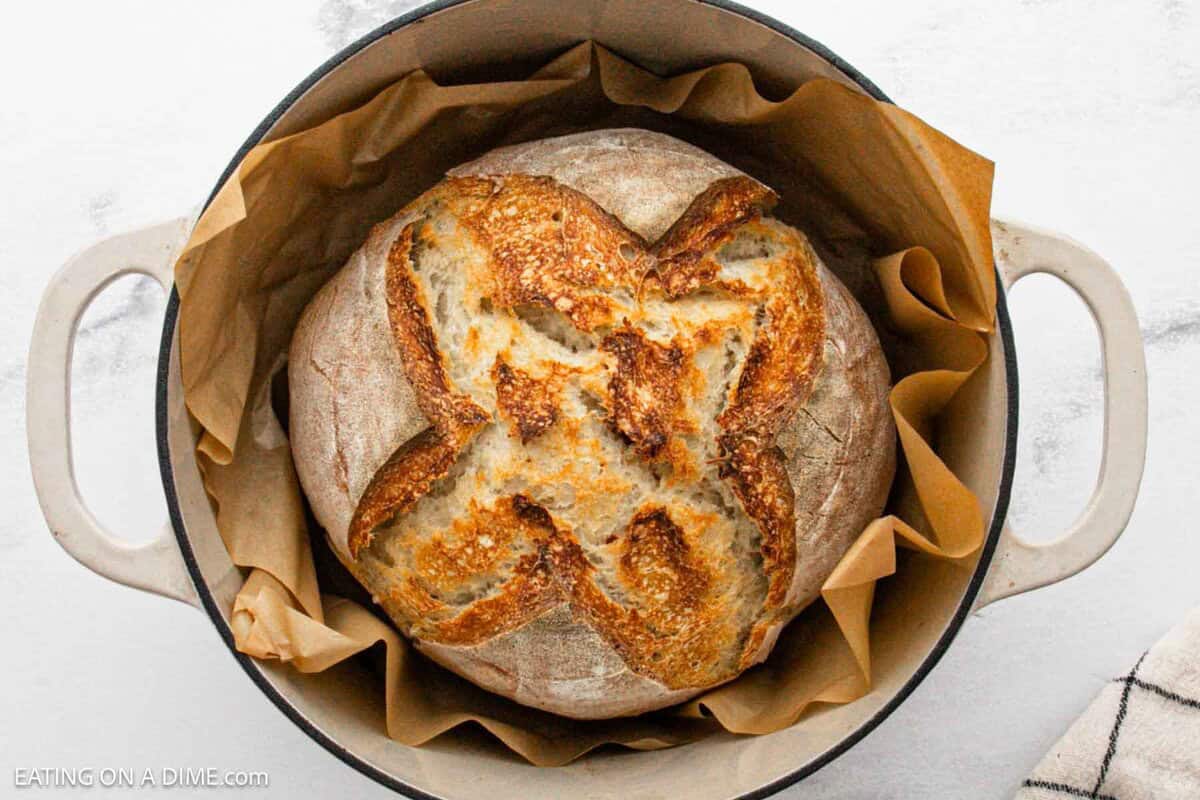
Why You’ll Love Making this Easy Sourdough Bread Recipe!

When I first started baking sourdough, I assumed it would be complicated and time-consuming. But once I realized most of the time is just letting the dough rest (not actively working it), it became part of our routine.
There’s something special about pulling a golden loaf from the oven knowing it cost just a few dollars to make. For a busy family trying to stretch groceries, learning how to bake sourdough bread at home has been such a practical win.
If I can fit this into a normal week, you absolutely can too! Homemade Bread completes any meal and if you love this sourdough bread, then you must try this Easy Homemade Artisan Bread Recipe, Jalapeño Cheddar Sourdough Bread and Beer Bread. It is even delicious topped with this Homemade Whipped Butter!
Recipe Snapshot
- Servings: 12 slices
- Prep Time: 30 minutes (active time)
- Rise Time: 12 hours (hands-off fermentation)
- Bake Time: 45–60 minutes
- Total Time: 1 day (mostly resting time)
- Skill Level: Beginner’s Sourdough Bread
- Budget Friendly: Yes! Just flour, water, salt, and starter
- Best Tool: Dutch oven for crispy crust
Ingredients
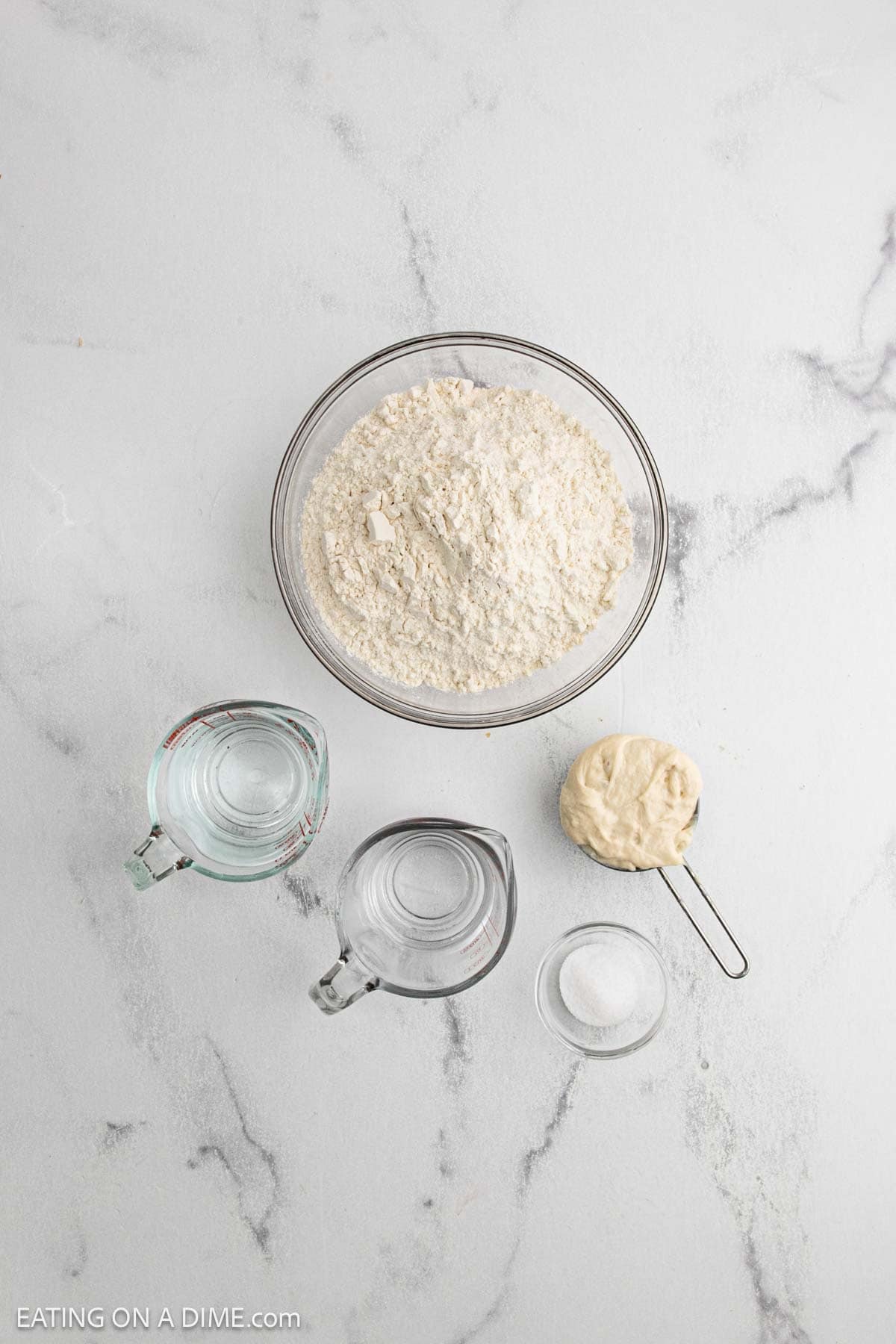
- All-Purpose Flour – King Arthur flour is recommended for consistent protein content and structure.
- Active, Bubbly Good Sourdough Starter – Must be recently fed and doubled in size before using. See How to Make Your Own Sourdough Starter
- Water – Room temperature filtered water works best.
- Salt – Enhances flavor and strengthens gluten development.
Tools You May Need
- Large Mixing Bowl
- Dutch Oven – Can withstand 500°F, for a crispy crust
- Parchment Paper – Optional, prevents sticking
- Lid or Plastic Wrap – For covering dough
- Lame or sharp knife/razor blade – For scoring
How to Make Sourdough Bread
Prepare the Dough
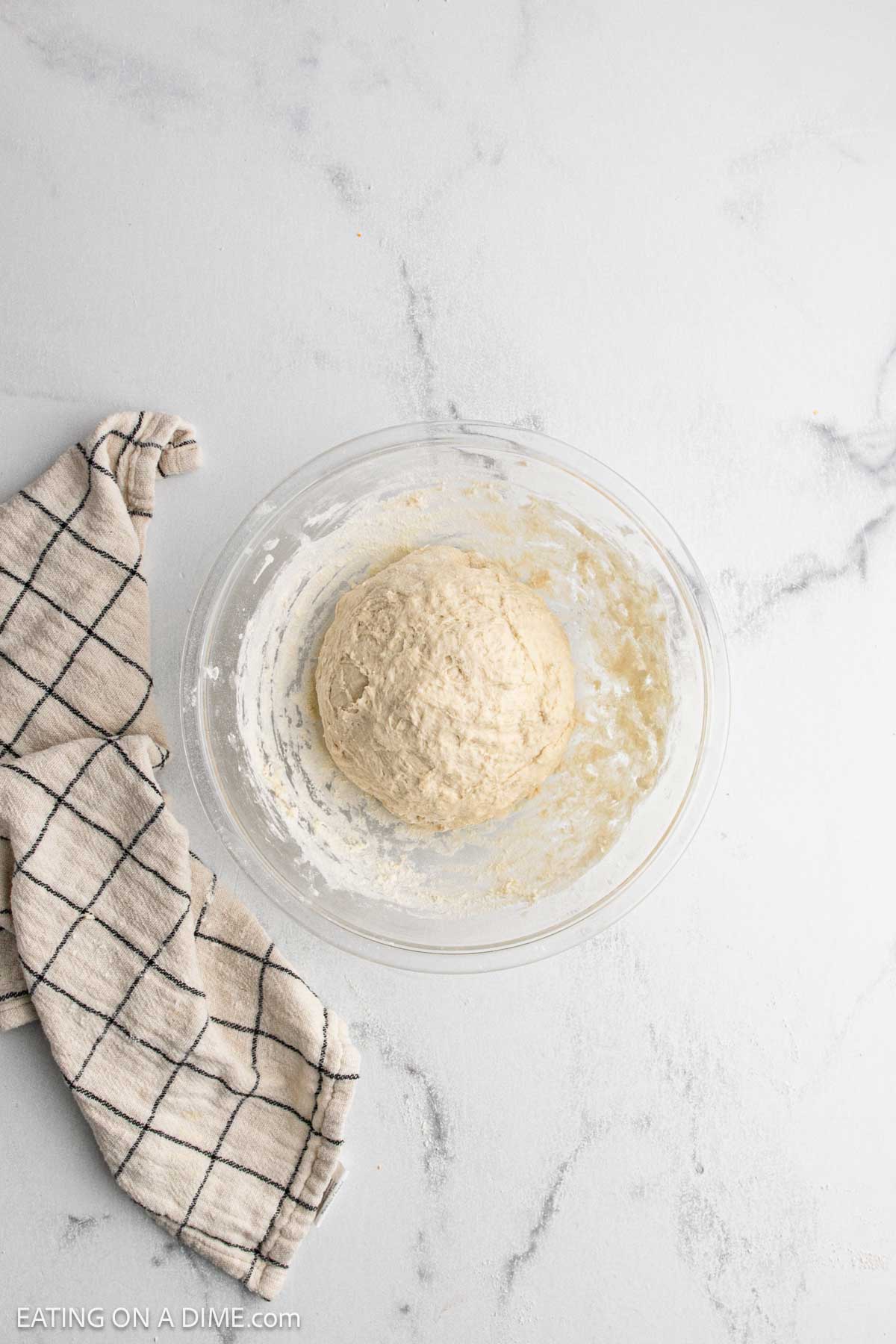
Step 1 – Feed your starter 4–12 hours before baking so it’s active. In a large bowl, mix water, starter, salt, and flour until fully combined.
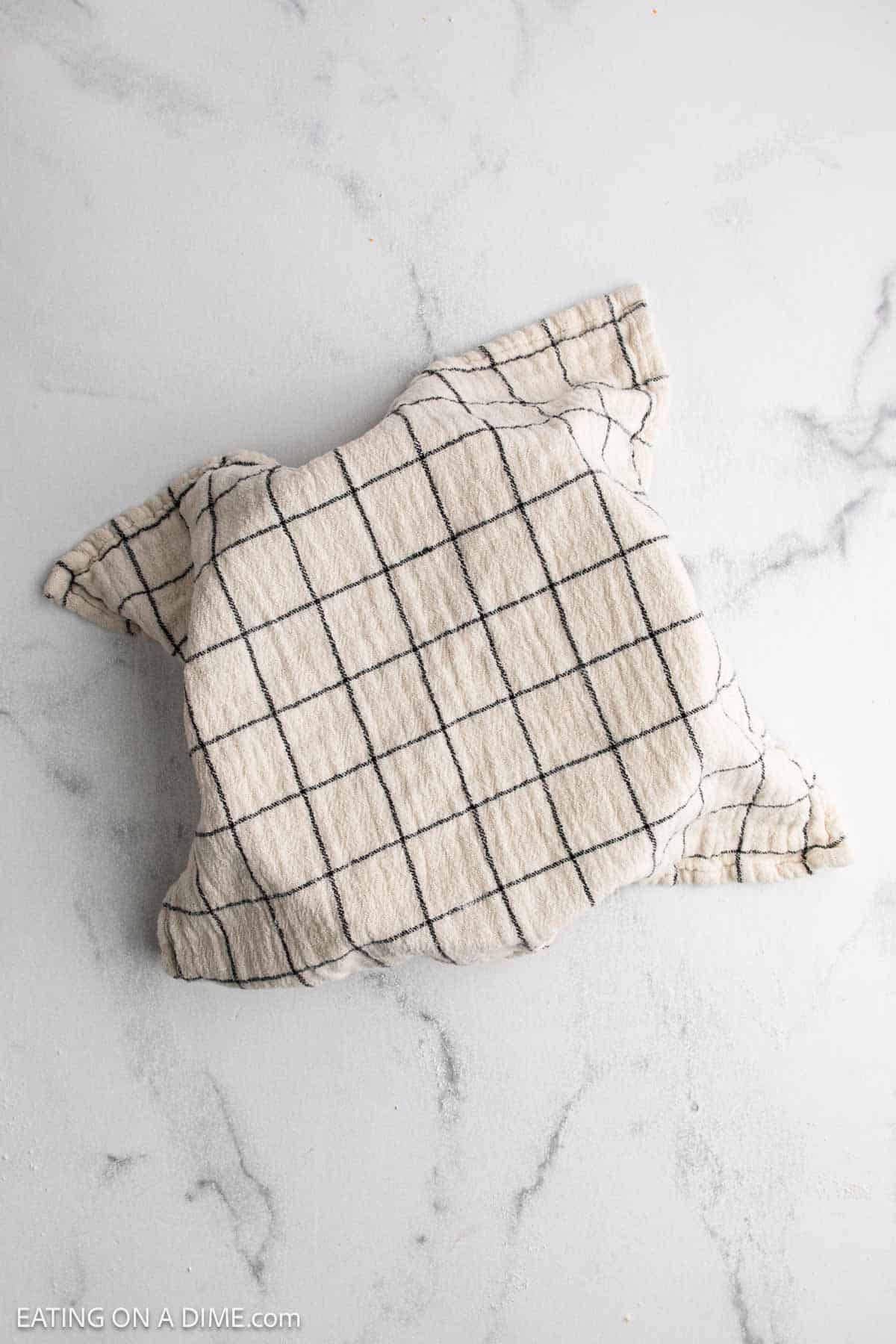
Step 2 – Cover and rest for 30 minutes to hydrate the flour.
Stretch and Fold
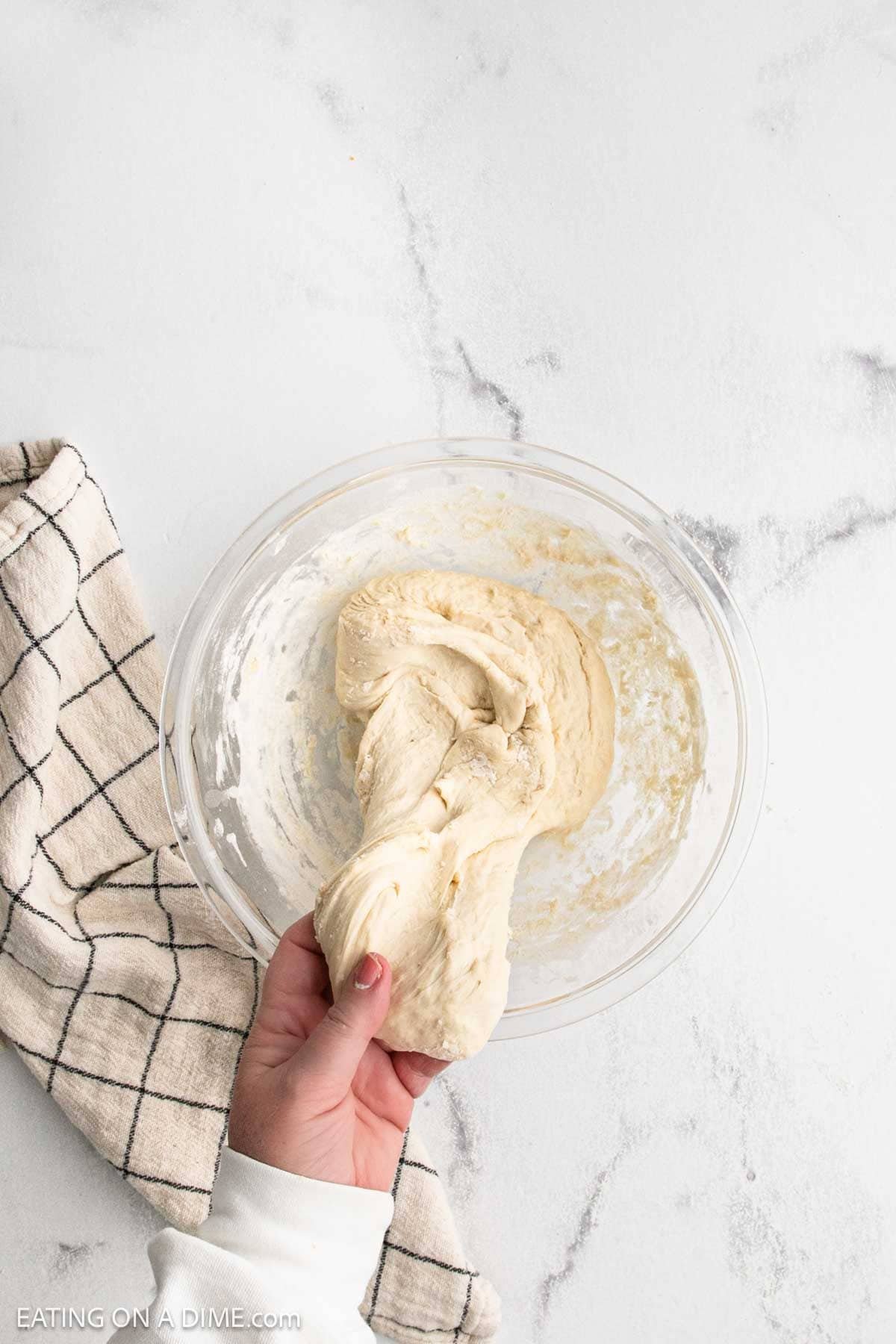
Step 3 – Grab the edge of the dough, stretch upward, and fold it into the center.
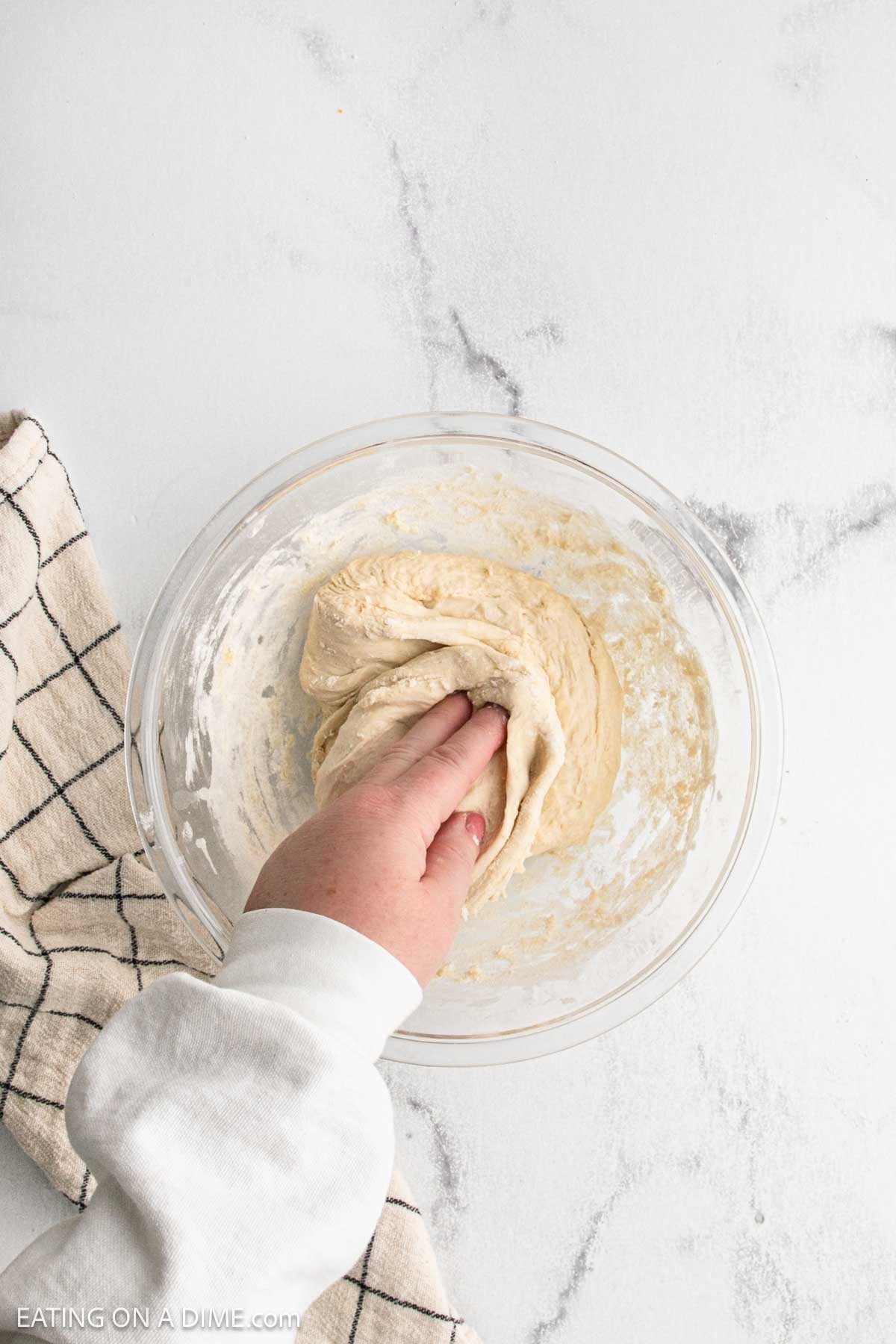
Step 4 – Turn the bowl a quarter turn and repeat. Complete four folds—this is one round.
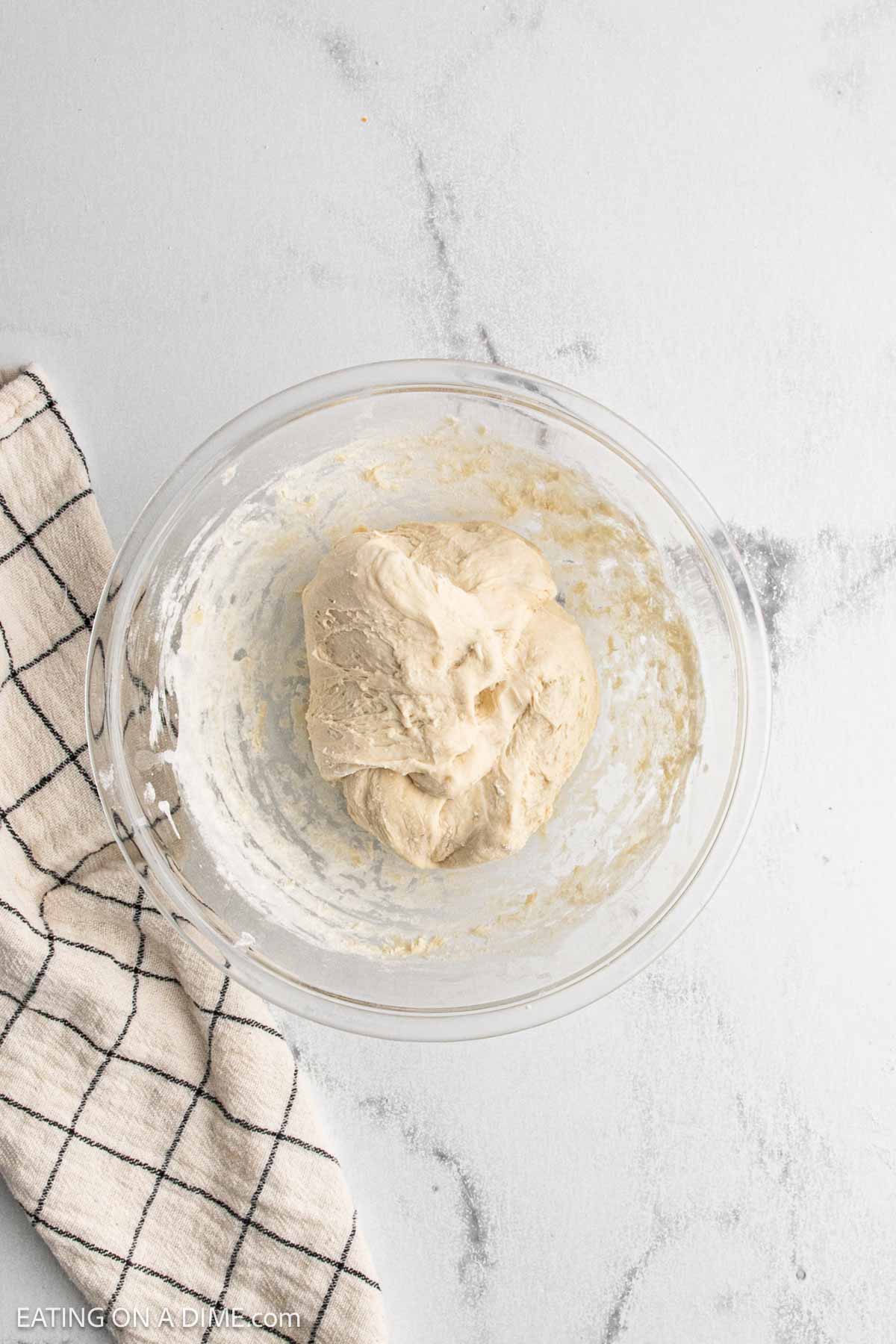
Step 5 – Rest 30 minutes. Repeat a second round, rest 30 minutes, then perform a final round.
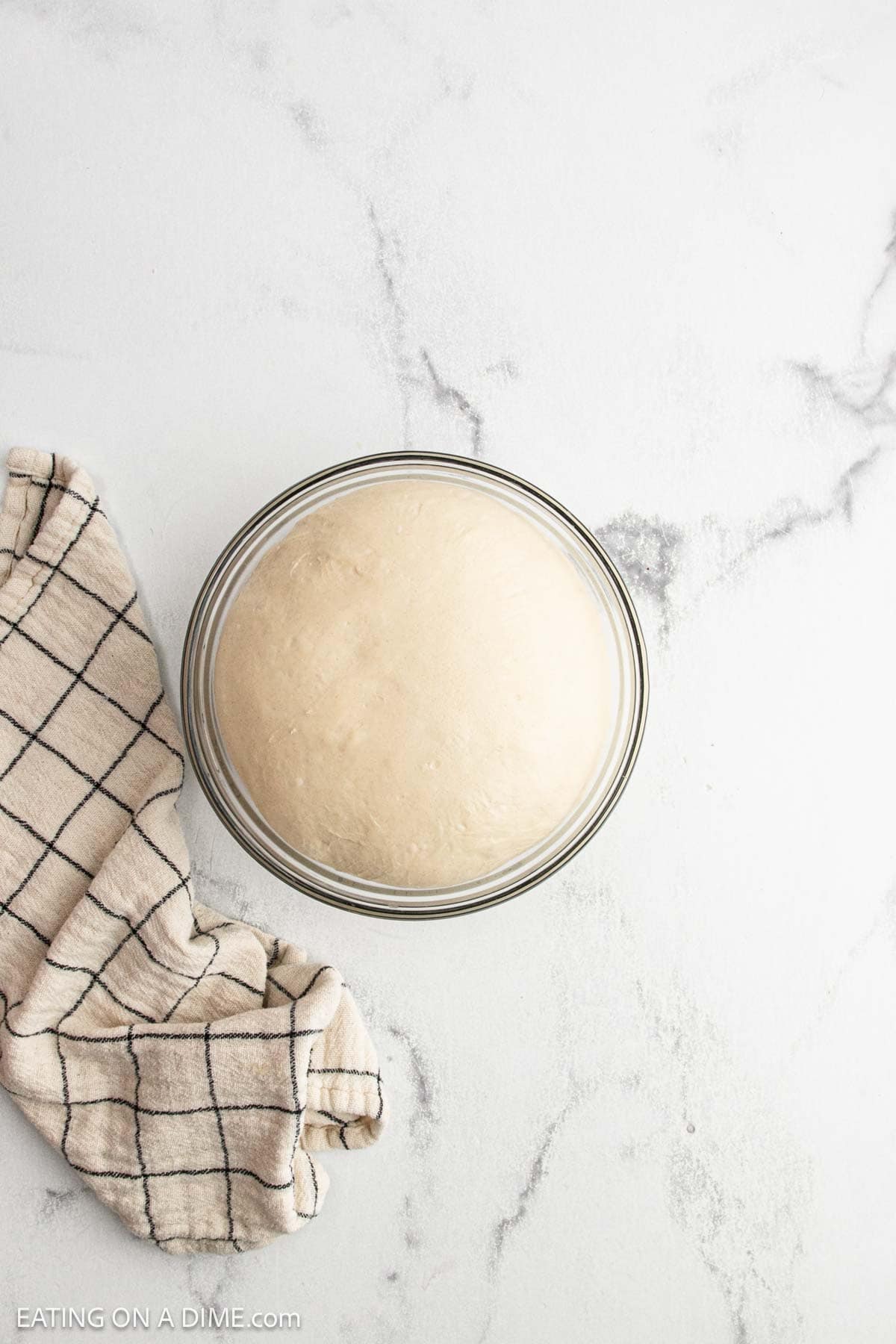
Step 6 – Cover and bulk ferment in a warm place until the dough doubles in size (6–12 hours). Avoid over-fermenting.
Shape the Dough
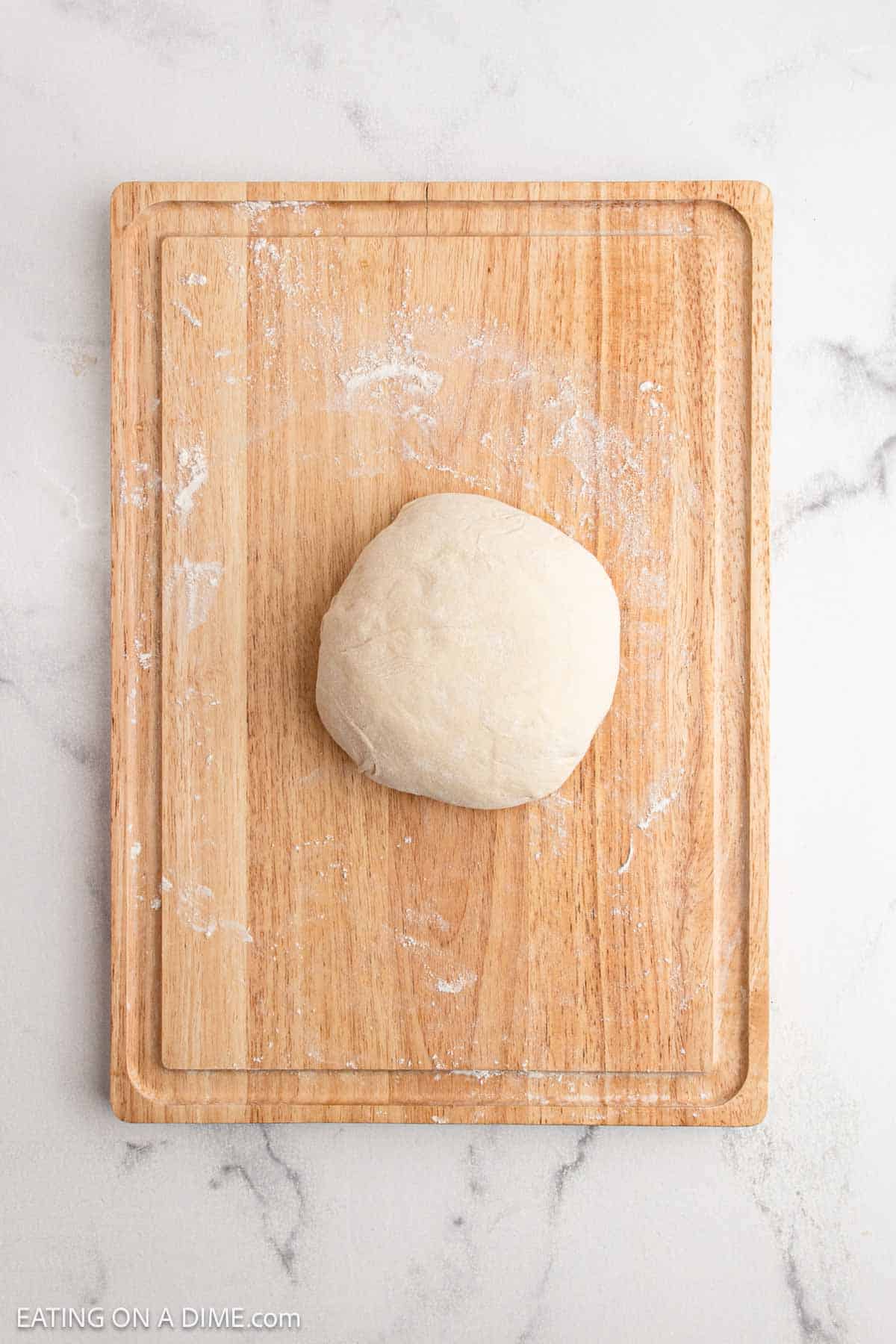
Step 7 – Lightly flour a clean surface. Fold and gently shape the dough into a ball. Optional: rest uncovered for 15–20 minutes to prevent sticking.
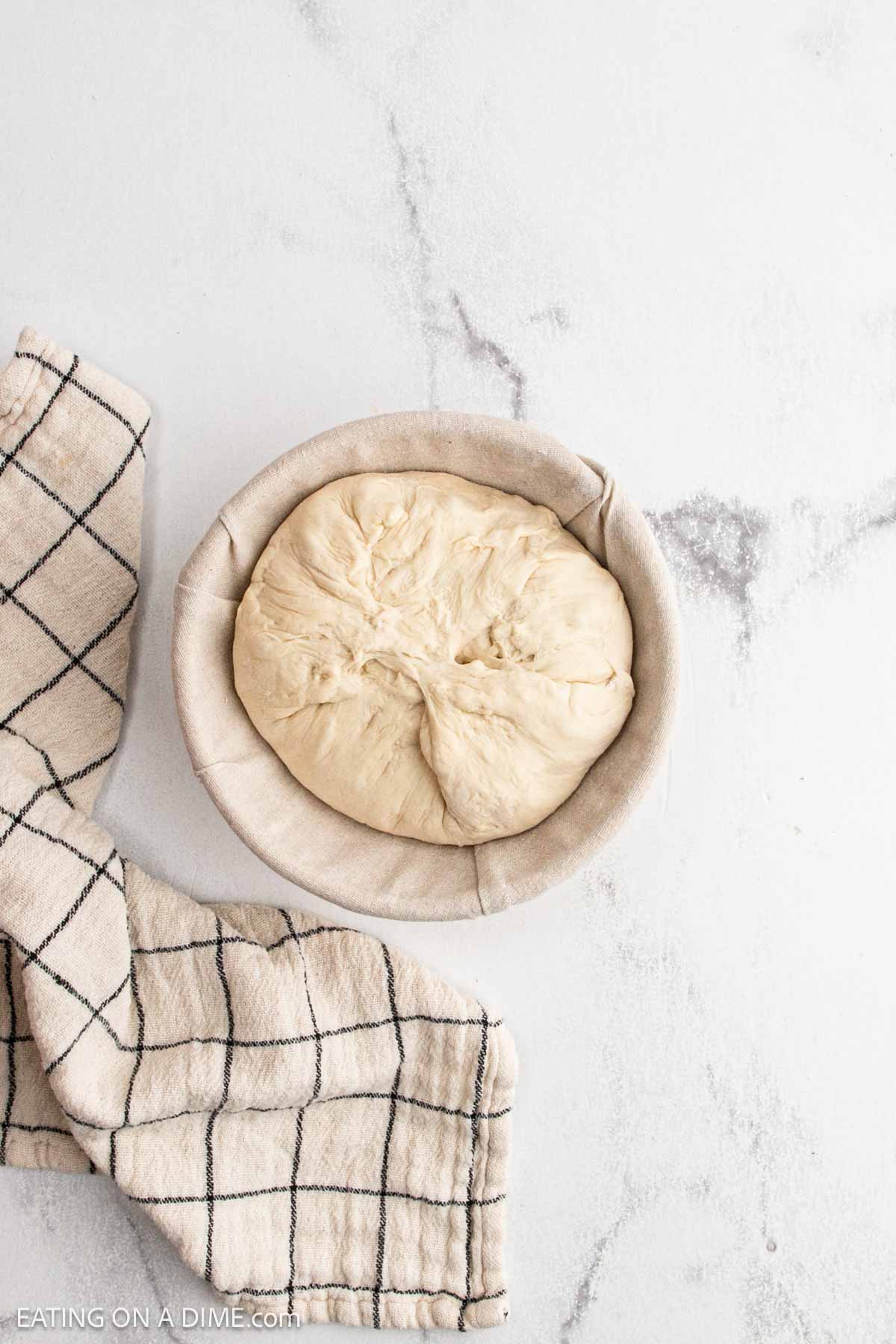
Step 8 – Fold the sides toward the middle, pinching seams. Place in a floured bowl lined with a tea towel. Cover and let rise for 3–4 hours at room temperature.
Bake the Bread
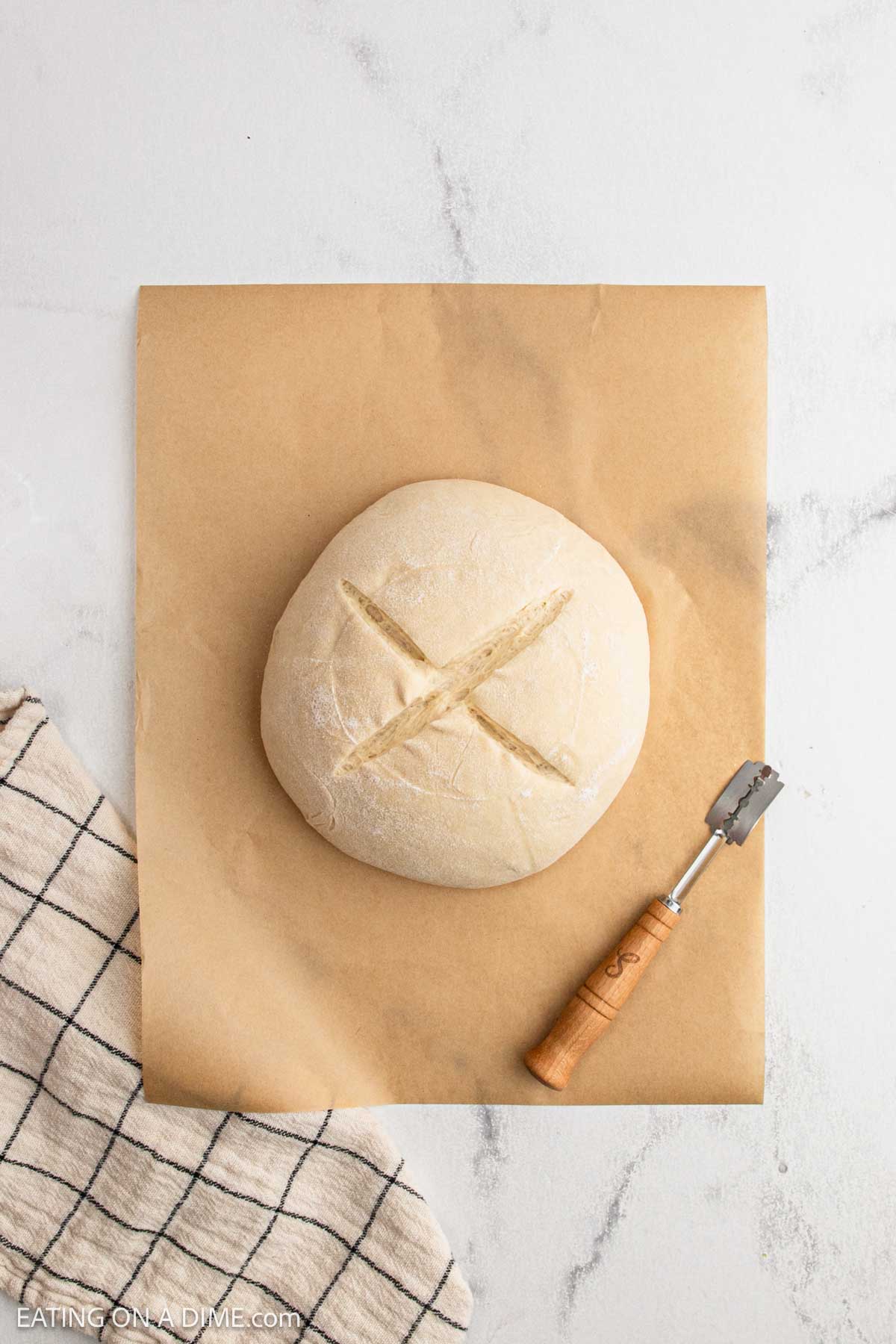
Step 9 – Preheat the Dutch oven to 500°F for 1 hour. Reduce the oven to 420°F before adding dough.
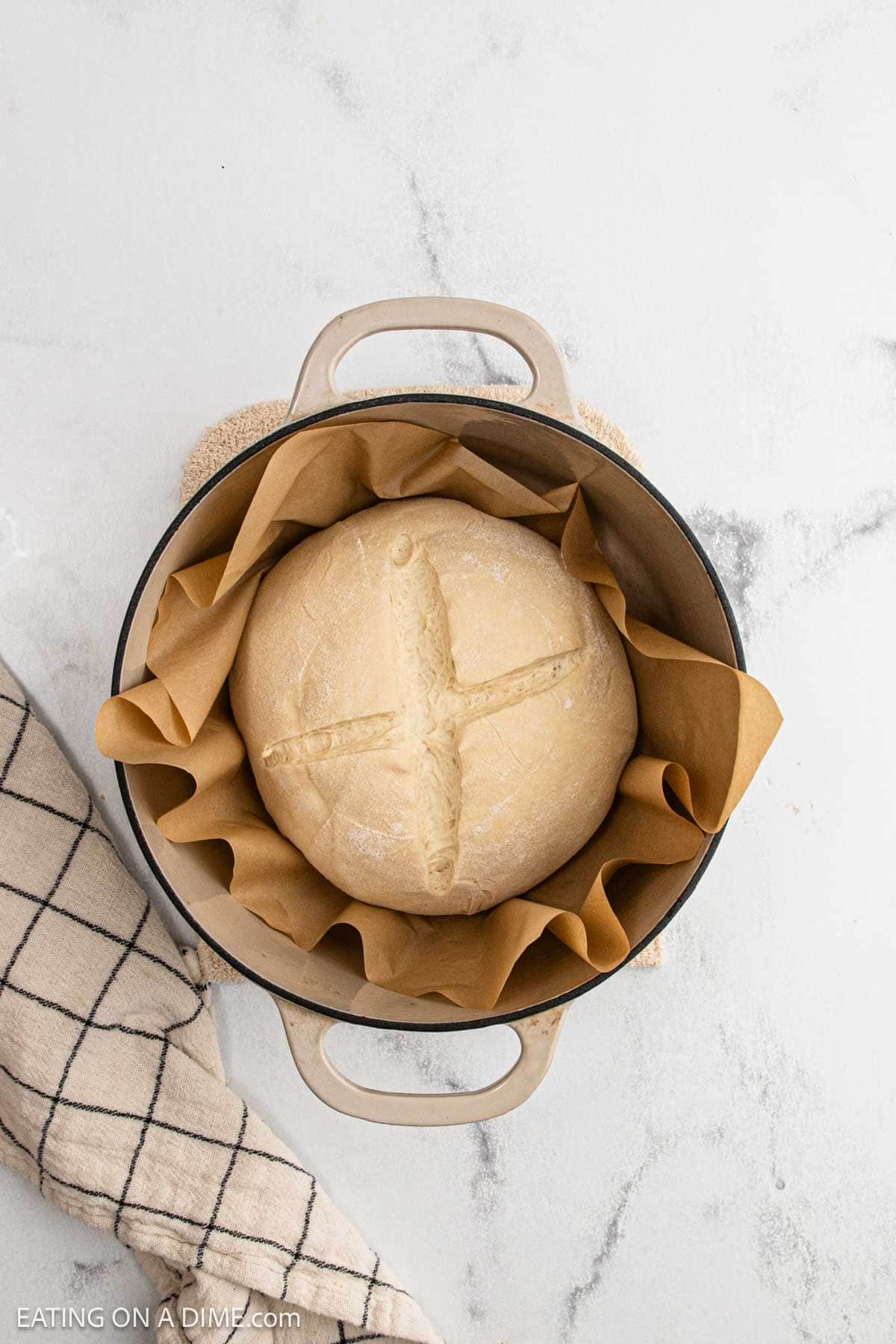
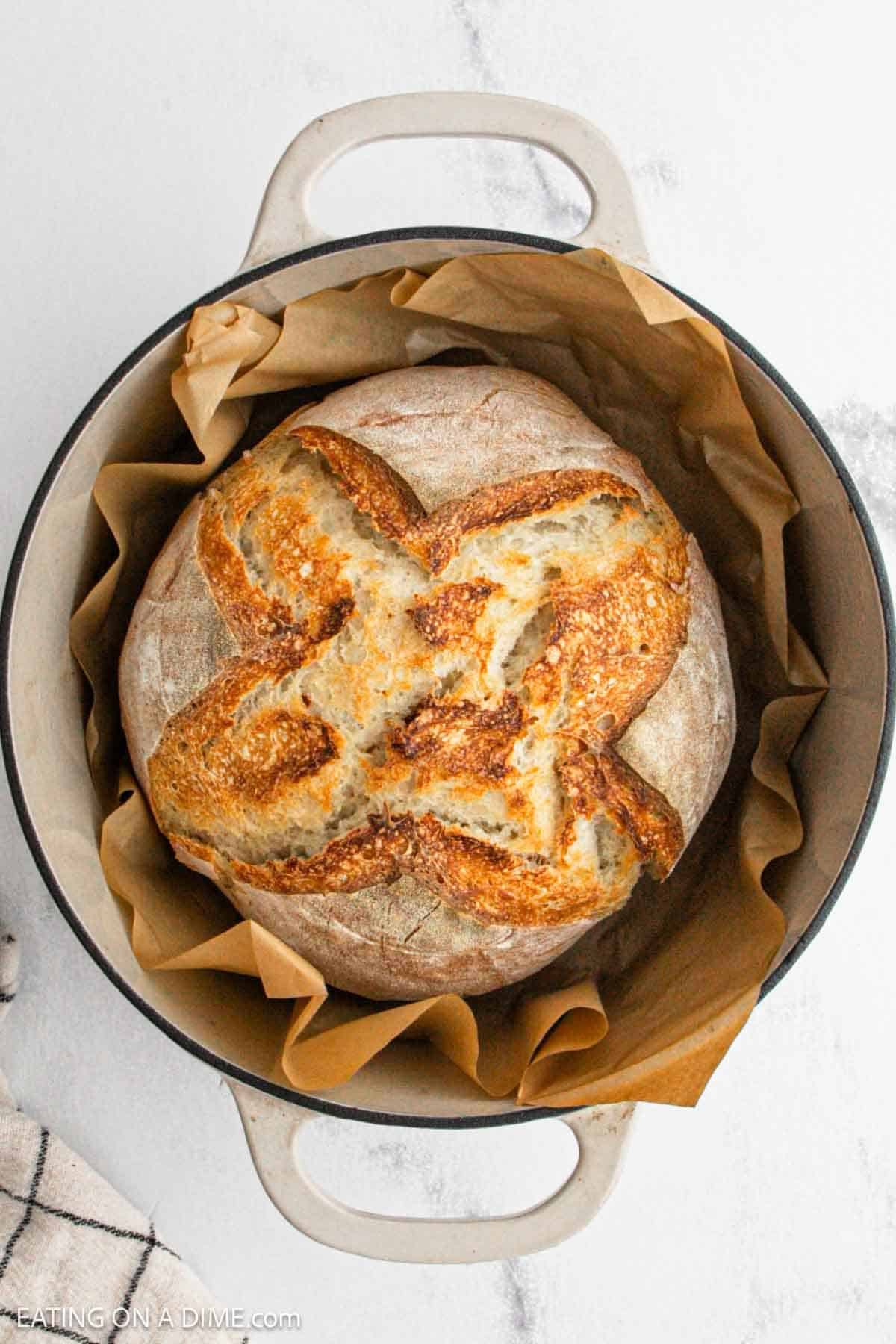
Step 10 – Carefully transfer the dough on a piece of parchment paper into the Dutch oven. Cover and bake for 25–30 minutes.
Step 11 – Remove the lid and bake for another 20–30 minutes until deep golden.
Tips for Success
- Use an Active Starter – Your starter should be bubbly, doubled in size after feeding, and pass the float test before baking.
- Feed Starter 4–12 Hours Before Mixing Dough – Timing matters. The starter should be at peak activity when you mix your dough.
- Measure Flour Correctly – Spoon flour into the measuring cup and level it off. Scooping directly from the bag can pack in too much flour and create dry dough.
- Watch the Dough, Not the Clock – Bulk fermentation can take 6–12 hours depending on room temperature. Look for the dough to double in size and feel airy.
- Keep Dough in a Warm Spot (75–80°F) – A slightly warm kitchen helps fermentation. Too cold and the dough will rise very slowly.
- Don’t Skip Stretch and Folds – These build gluten structure without kneading and help create that classic chewy crumb.
- Avoid Over-Fermenting – If the dough spreads too much, feels overly sticky, or collapses, it may have risen too long.
- Preheat the Dutch Oven for a Full Hour – A fully heated Dutch oven creates steam for a crispy crust and strong oven spring.
- For Extra Crispy Crust – Bake uncovered slightly longer during the final stage.
- For Softer Crust – Lightly brush with melted butter after baking and tent loosely with a towel while cooling.
How to Know When Sourdough is Ready
- Dough has doubled during bulk fermentation
- It feels airy and slightly jiggly
- A gentle poke springs back slowly
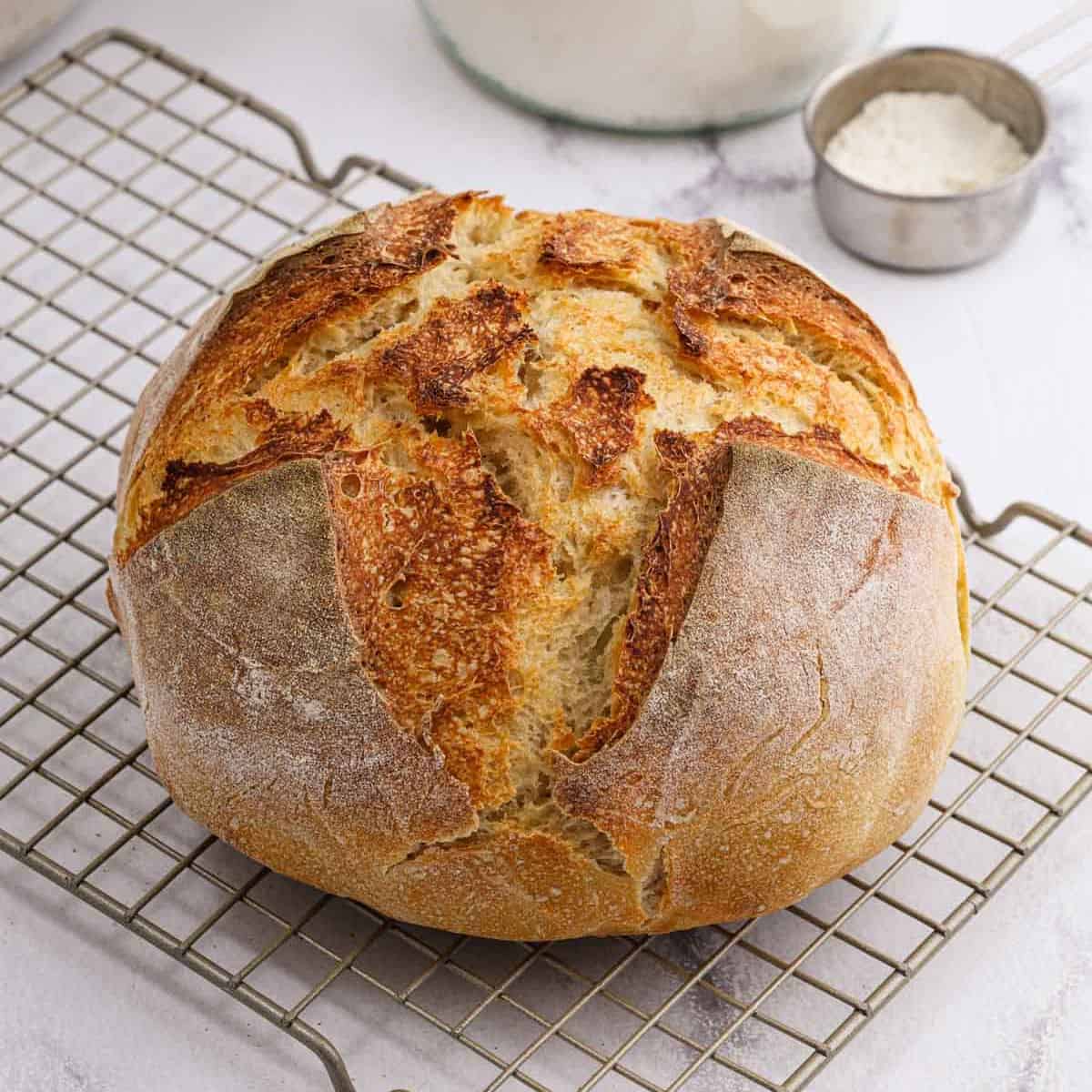
- The baked loaf sounds hollow when tapped on the bottom
Why the Dutch Oven Matters
Baking sourdough in a Dutch oven traps steam during the first part of baking. Steam is what creates that classic crispy artisan crust. Without steam, the crust will be softer and less developed.
If you don’t have a Dutch oven, place a metal pan with hot water in the bottom of the oven to create steam.
How to Score Sourdough Bread
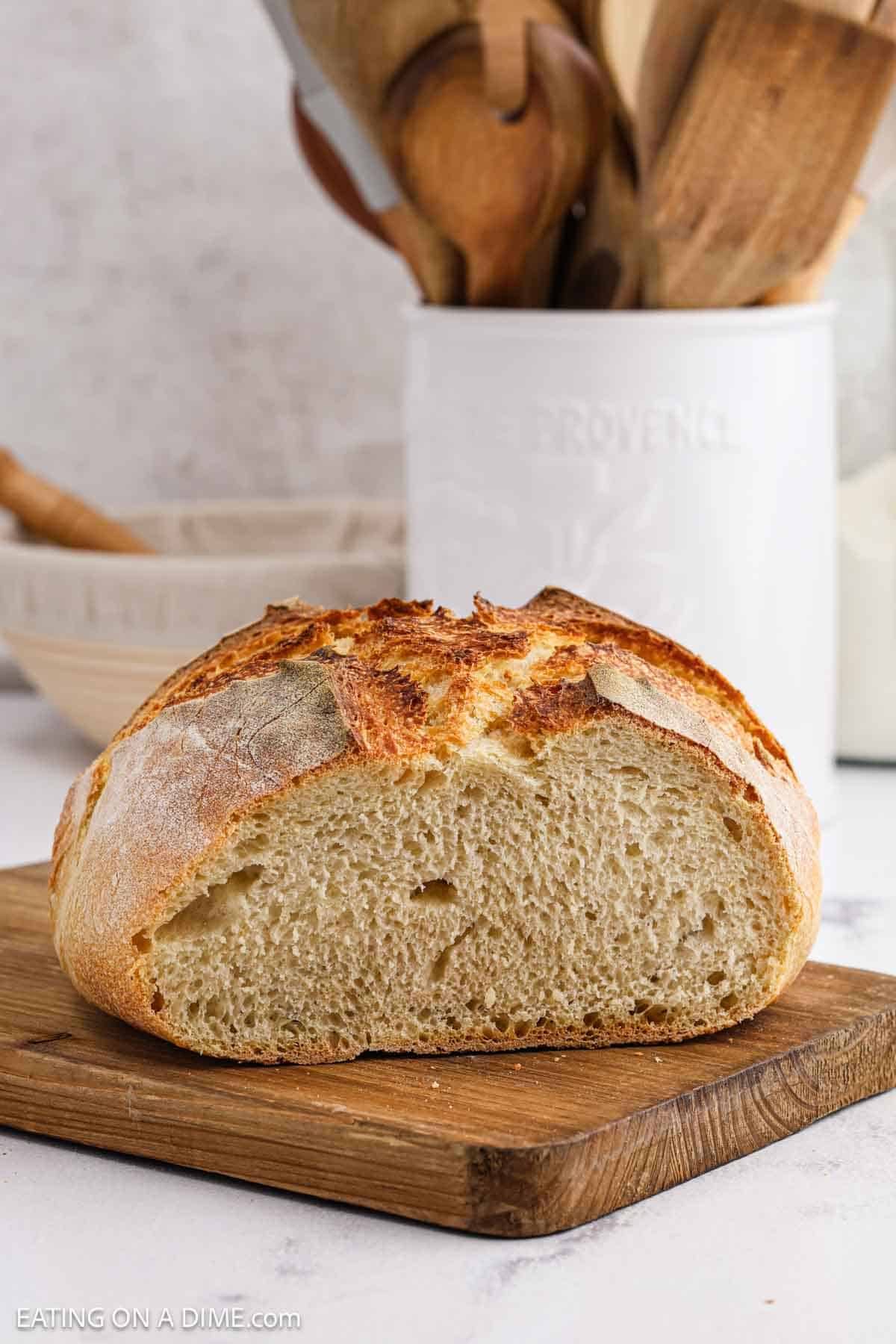
Scoring sourdough bread means making shallow cuts in the top of the dough just before baking. This step isn’t just decorative — it helps control how the bread expands in the oven.
Without scoring, steam builds inside the loaf and causes it to burst unpredictably along the sides.
Score the dough immediately after transferring it into the hot Dutch oven and just before covering with the lid. Make one confident cut about ¼ to ½ inch deep. If you cut too shallow, the bread may still burst in other areas. If you cut too deep, the loaf can spread outward instead of rising upward.
Cold dough is easier to score cleanly. If your dough feels too soft, you can refrigerate it for 20–30 minutes before baking. Score the dough with a bread lame (best option), a very sharp knife, or a razor blade.
The sharper the blade, the cleaner the cut.
Budget Tip Section
One loaf of homemade sourdough costs a fraction of store-bought artisan bread. Once you maintain a healthy starter, you can bake fresh bread regularly using basic pantry staples, no commercial yeast required.
How to Store Sourdough Bread
- Room Temperature: Store loosely wrapped for up to 3 days. Avoid refrigeration as it dries bread out quickly.
- Freezer: Slice and freeze in a sealed bag for up to 3 months.
Frequently Asked Questions
Dense sourdough usually means the starter wasn’t active enough, the dough didn’t ferment long enough, or it was over-fermented. Make sure your starter doubles after feeding and your dough rises properly during bulk fermentation.
Yes! All-purpose flour works well for sourdough bread. Bread flour will create a slightly chewier texture, but both produce great results.
Common causes include a weak starter, cold kitchen temperature, or not enough fermentation time. Make sure your starter is bubbly and active before mixing the dough.
Yes! After shaping, you can refrigerate the dough (cold proof) for 8–24 hours. This improves flavor and makes scoring easier.
No, traditional kneading isn’t necessary for this sourdough bread recipe.
Instead of kneading, this recipe uses the stretch and fold method, which gently builds gluten structure over time. The repeated stretch-and-fold rounds strengthen the dough without overworking it, while fermentation does most of the development naturally.
How to Make Sourdough Bread
Ingredients
- 3 ½ cups all-purpose flour King Arthur recommended
- ½ cup active bubbly sourdough starter
- 1 cups water
- 2 teaspoons salt
- Tools You May Need:
- Large bowl
- Dutch oven can withstand 500°F, for a crispy crust
- Parchment paper optional, prevents sticking
- Lid or plastic wrap for covering dough
- Lame or sharp knife/razor blade for scoring
See how we calculate recipe costs.
Instructions
- Prepare the Dough:
- Feed your starter 4–12 hours before baking so it’s active.
- In a large bowl, mix 1 cup of water, ½ cup of starter, 2 teaspoon salt, and 3 ½ cups of flour until fully combined.
- Cover and rest for 30 minutes to hydrate the flour.
- Stretch and Fold:
- Grab the edge of the dough, stretch upward, and fold it into the center.
- Turn the bowl a quarter turn and repeat. Complete four folds—this is one round.
- Rest 30 minutes. Repeat a second round, rest 30 minutes, then perform a final round.
- Cover and bulk ferment in a warm spot until the dough doubles in size (6–12 hours). Avoid over-fermenting.
- Shape the Dough:
- Lightly flour a clean surface. Fold and gently shape the dough into a ball.
- Optional: rest uncovered for 15–20 minutes to prevent sticking.
- Fold the sides toward the middle, pinching seams.
- Place in a floured bowl lined with a tea towel.
- Cover and let rise for 3–4 hours at room temperature.
- Bake:
- Preheat the Dutch oven to 500°F for 1 hour.
- Reduce the oven to 420°F before adding dough.
- Carefully transfer the dough on parchment into the Dutch oven.
- Cover and bake for 25–30 minutes.
- Remove the lid and bake for another 20–30 minutes until deep golden.
Recipe Notes
Nutrition Facts
More Easy Bread Recipes


Sourdough baking might look complicated, but once you understand the simple process, it becomes one of the most rewarding and affordable things you can make at home.
If you try this sourdough bread recipe, I’d love to hear how it turned out! Leave a comment or star rating below — your feedback helps other home bakers feel confident getting started.

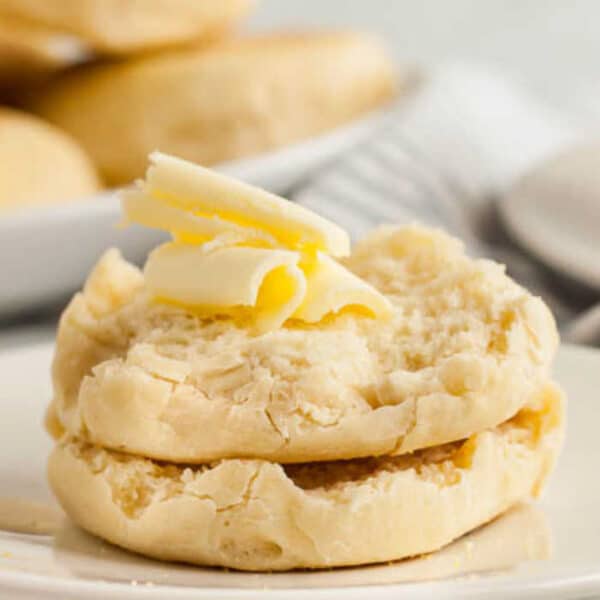
This recipe was so easy to follow! My sourdough came out perfectly and was so delicious topped with butter.