This Butternut Squash Soup is made with roasted squash, onion, garlic, nutmeg, and vegetable broth, then finished with butter and cream. It costs just $1.99 per serving and is silky smooth and full of fall flavor.

Butternut Squash Soup is one of the first recipes my family requests when the weather turns cool. Roasting the squash adds a rich, caramelized flavor that makes the soup taste extra creamy and comforting. At just $1.99 per serving, it is an easy fall dinner that feeds four.
Why You’ll Love This Recipe!

- Budget Friendly — $7.96 total for a rich silky soup that tastes genuinely restaurant-quality
- The blender creates a perfectly silky smooth texture in under 2 minutes with no straining required
- Make ahead and freeze
- Perfect for any night that calls for something warm and cozy
After 14 years of developing recipes, I know the best fall soups taste far more impressive than the effort required. This Butternut Squash Soup does exactly that for just $1.99 per serving. If you love easy fall soup recipes like this one you will also love our Kielbasa Potato Soup, Crock Pot Pasta Fagioli, and Crockpot Chicken Tortilla Soup Recipe. They are all budget-friendly, made with simple ingredients, and the kind of cozy warming soups your family will request all fall and winter long.
Why Roasting Makes This Better
Roasting the butternut squash at 425°F creates a deeper, sweeter flavor than boiling. The high heat caramelizes the natural sugars and gives the cut side golden edges that add richness to the soup. It takes a little longer, but the oven does most of the work and the flavor is worth it.
Ingredients
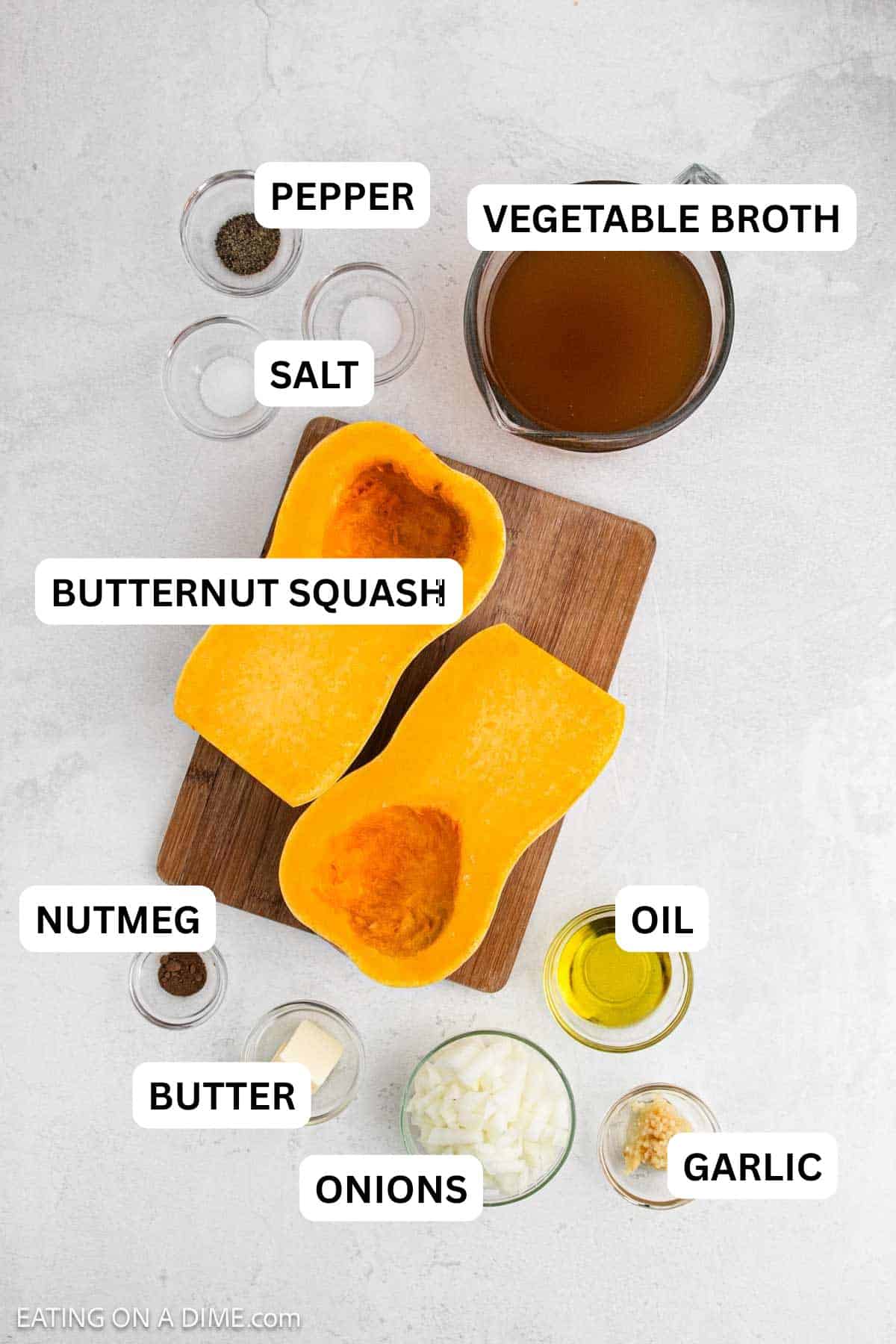
- Butternut squash, about 3 pounds — one large butternut squash roasted whole gives you the most flavor. Look for a squash that feels heavy for its size with a matte beige skin and no soft spots. The longer neck of the squash gives you more seedless flesh per pound than a rounder squash
- Olive oil — used two ways. A drizzle over the cut squash before roasting and a tablespoon and a half in the pot for sautéing the onion. The oil helps the squash caramelize and prevents the onion from sticking
- Onion, chopped — sautéed until completely soft before going into the blender. The cooked onion adds a gentle savory depth that raw onion cannot provide — always cook fully before blending
- Salt, divided — used in two stages. Some goes on the squash before roasting and the rest seasons the onion as it sautés. Always taste at the end and adjust — the final seasoning happens after blending
- Minced garlic — added after the onion is soft and cooked for just 30 seconds until fragrant. Never brown the garlic — it turns bitter immediately and the bitterness carries through the entire blended soup
- Ground nutmeg — just ⅛ teaspoon adds a barely perceptible warmth that is the classic butternut squash soup spice. You will not identify it specifically but you would notice immediately if it was missing
- Black pepper — always use freshly ground for the most vibrant flavor. Added during cooking and again as a garnish over the finished soup
- Vegetable broth — 3 to 4 cups gives you control over the final thickness. Start with 3 cups and add more after blending until you reach your preferred consistency. Low sodium gives you the most control over the final seasoning. Chicken broth gives a richer less vegetarian-friendly result
- Butter — blended in at the very end for a rich silky finish that gives this soup its restaurant-quality mouthfeel. Always add after blending rather than during sautéing for the purest buttery flavor throughout
- Heavy cream, optional — a small drizzle over each bowl right before serving adds richness and makes a beautiful presentation. Coconut cream works as a dairy-free substitute with a slightly different but delicious flavor
Carrie’s Tip: Never completely seal a blender filled with hot soup. Leave the lid vented so steam can escape, cover it with a folded kitchen towel, and blend in small batches no more than halfway full. For an easier option, use an immersion blender directly in the pot.
How to Make Butternut Squash Soup
Step 1 – Preheat the oven to 425°F. Line a large baking sheet with parchment paper.

Step 2 – Place the squash halves cut-side up on the prepared baking sheet. Drizzle with olive oil and brush or rub to coat the flesh evenly. Season with some of the salt and a few grinds of black pepper, then turn the squash cut-side down.

Step 3 – Roast for 40 to 50 minutes, or until the squash is fork-tender. Let cool for about 10 minutes.
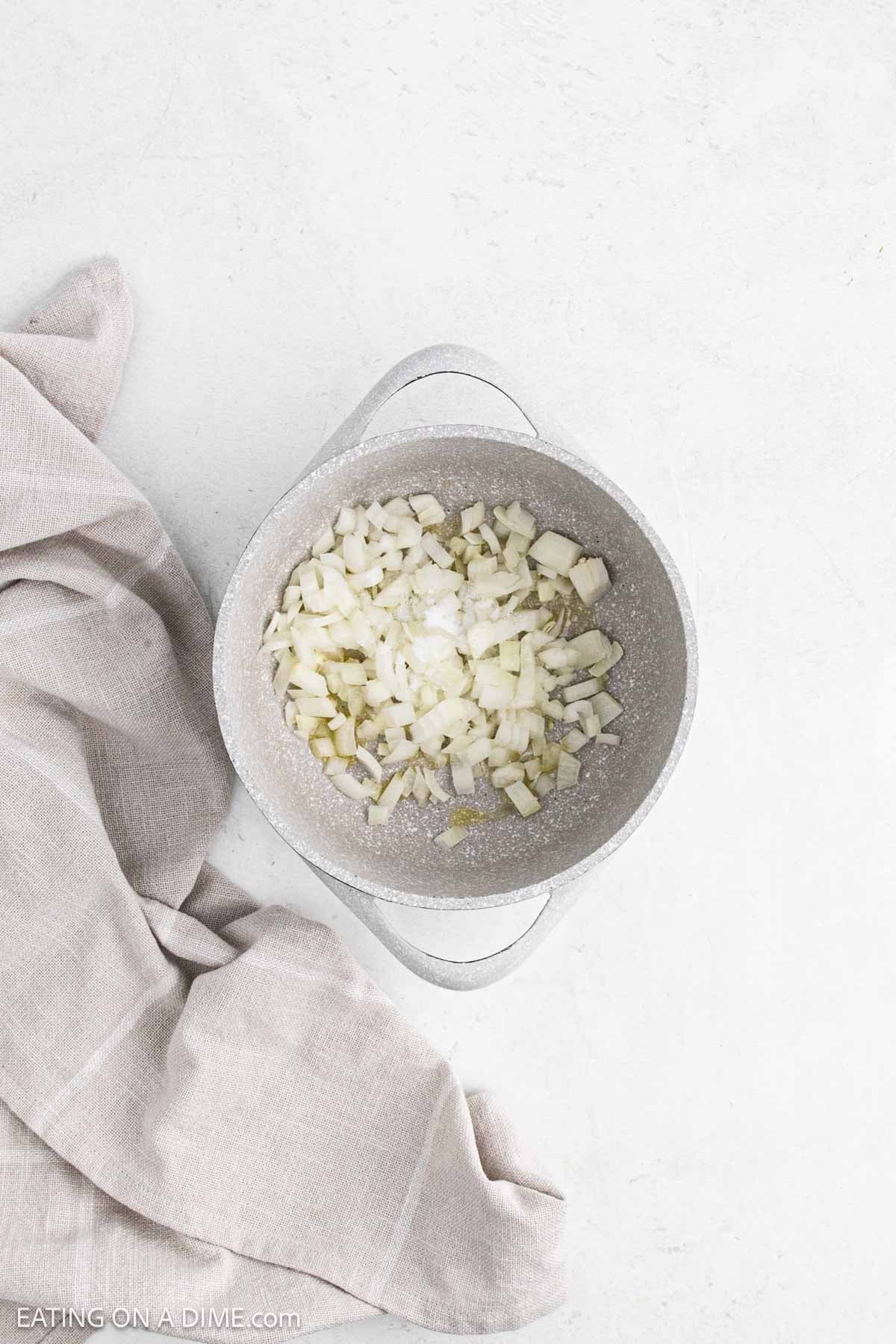
Step 4 – Meanwhile, heat the olive oil in a Dutch oven or large saucepan over medium heat. Add the onion and the remaining salt. Cook until softened, stirring occasionally.
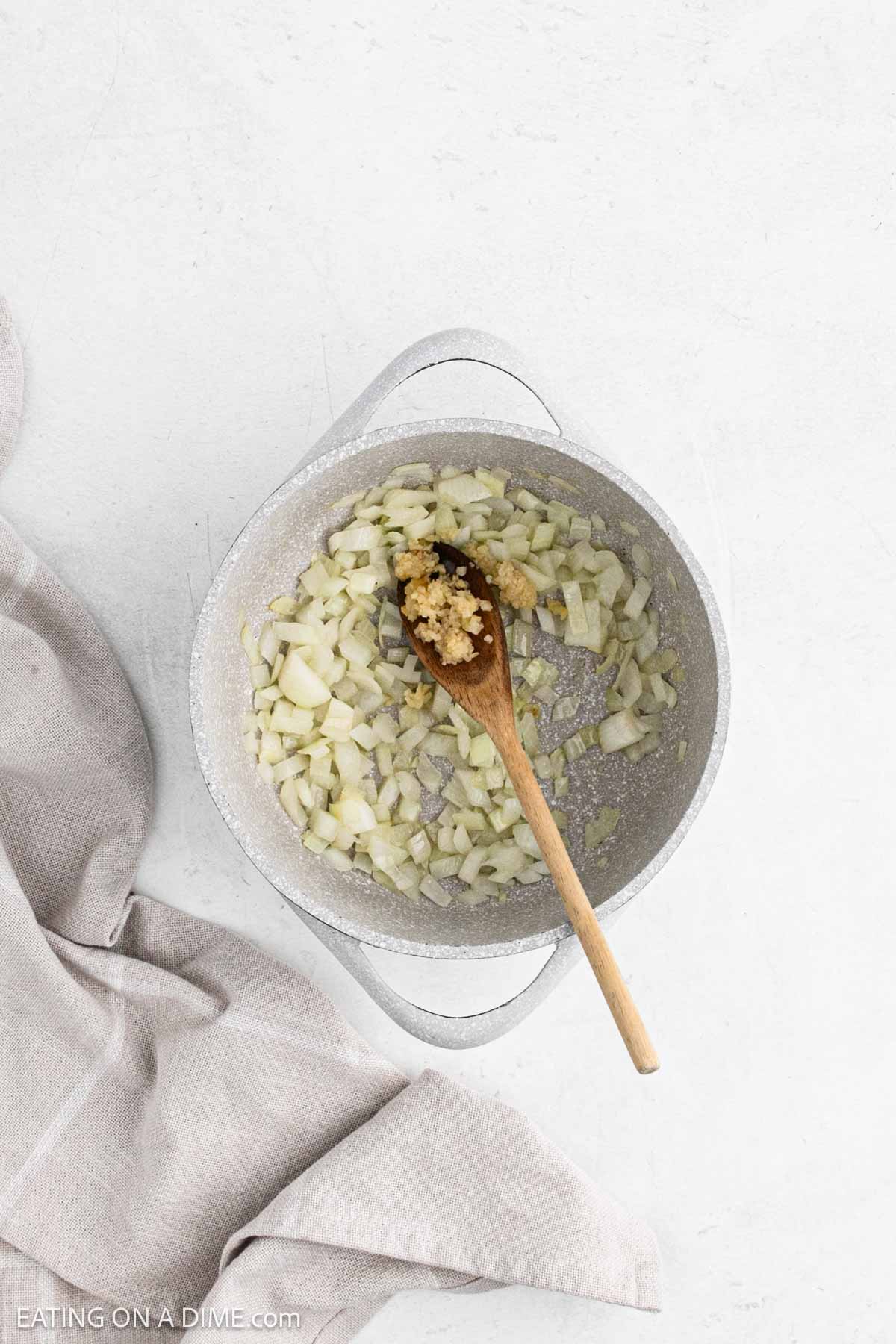
Step 5 – Stir in the garlic and cook until fragrant, about 30 seconds. Remove from the heat.
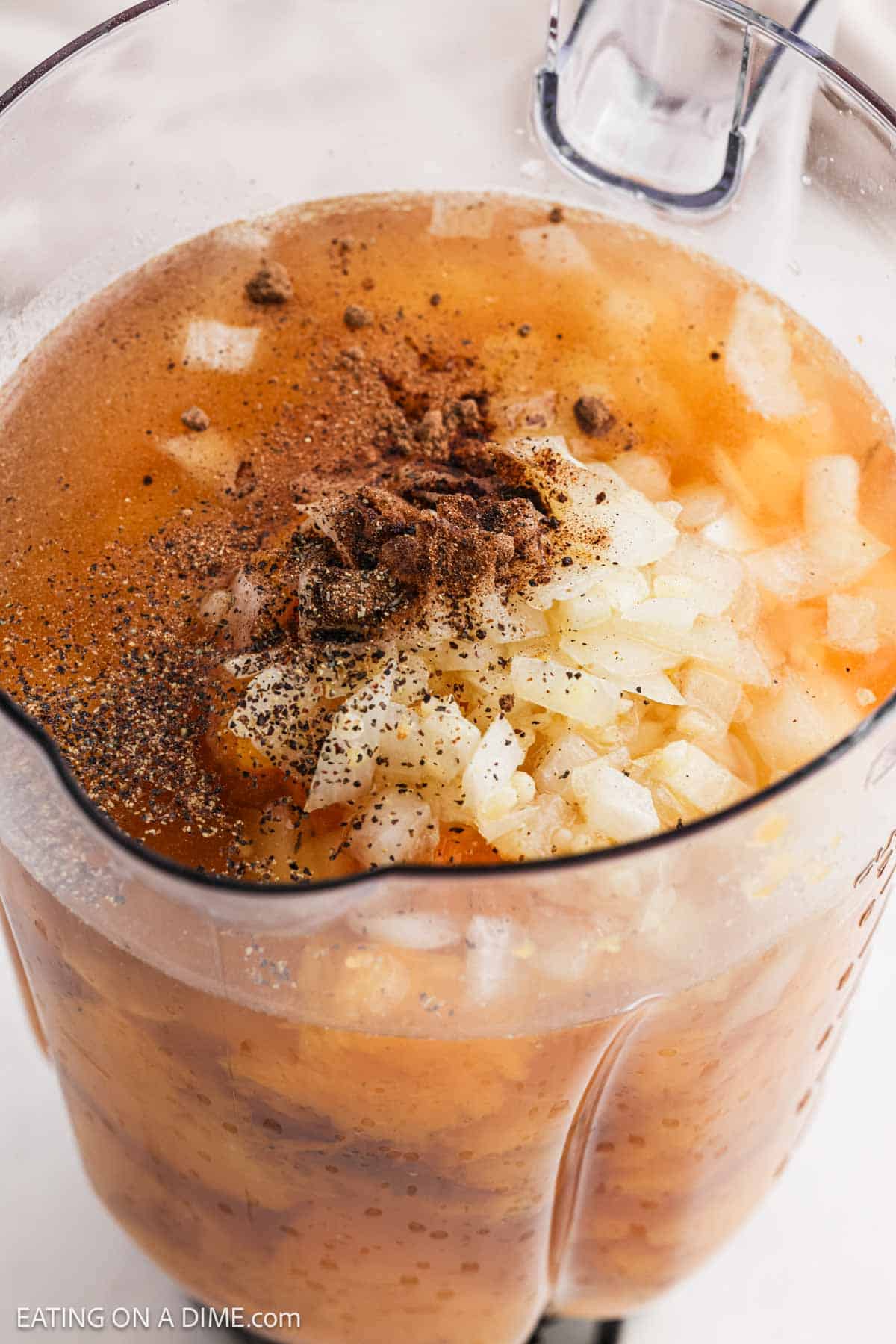
Step 6 – Scoop the roasted squash from the skins and transfer it to a blender. Add the onion mixture, nutmeg, black pepper, and the vegetable broth. Blend until completely smooth. If using a smaller blender, work in batches and avoid filling above the maximum fill line.

Step 7 – If you’d like a thinner soup, blend in additional broth until it reaches your desired consistency. Add the butter and blend briefly until melted and incorporated. Taste and season with additional salt and pepper, if needed.

Step 8 – Return the soup to the saucepan and warm over medium-low heat, stirring occasionally, until heated through.
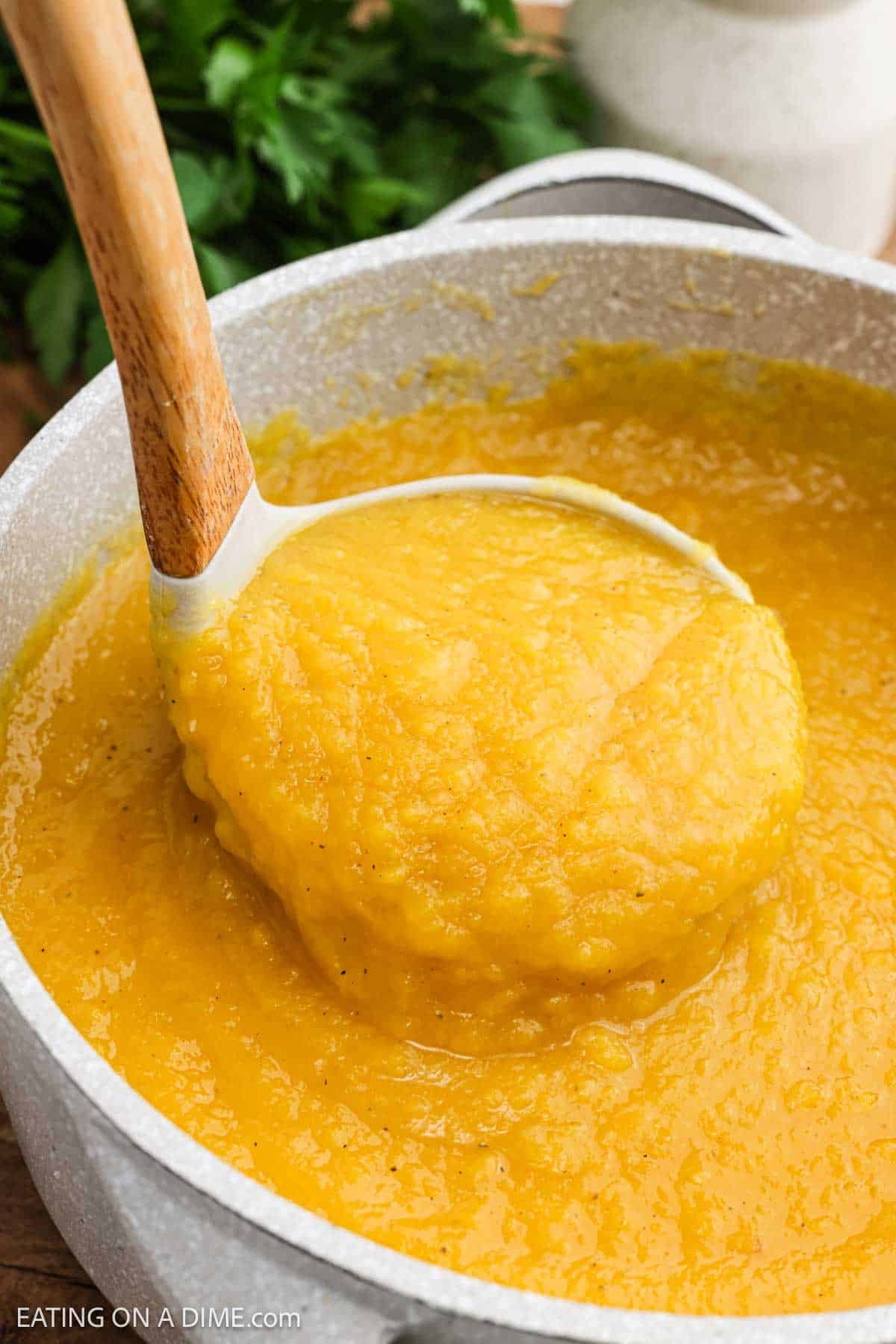
Step 9 – Ladle into bowls and, if desired, garnish with a drizzle of heavy cream and freshly ground black pepper.
How to Get the Texture You Want
Thick and creamy — use 3 cups of broth and blend completely smooth. This gives you the richest most restaurant-quality result.
Thinner and more brothy — blend with 4 cups of broth and add extra after blending until you reach your preferred consistency.
Chunky — reserve a few spoonfuls of roasted squash before blending and stir back into the finished soup for texture contrast.
Ultra smooth — after blending pass the soup through a fine mesh strainer for a perfectly silky result with no fibrous texture at all.
Tips for Success
- Always roast cut-side down. The cut surface against the hot pan creates the caramelized golden crust that makes this soup so much more flavorful than boiled squash
- Do not rush the roasting. Fork-tender means a fork slides in with zero resistance — if there is any firmness give it another 5–10 minutes. Under-roasted squash gives you a less sweet less flavorful soup
- Vent the blender lid. Hot liquid in a sealed blender builds dangerous pressure — always vent slightly and cover with a towel. See Carrie’s Tip above
- Add butter last. Blending the butter in at the very end after all the squash and broth are smooth gives you the silkiest most even emulsification throughout
- Taste before serving. The final seasoning always needs adjustment after blending — always taste and add more salt pepper or a squeeze of lemon juice to brighten the flavors

Variations and Substitutions
- Use chicken broth instead of vegetable broth for a richer more savory result — note this makes the soup no longer vegetarian
- Add a peeled apple to the blender with the squash for a subtle sweet tart depth that pairs beautifully with the nutmeg
- Stir in 1 teaspoon of fresh grated ginger for a warming spicier variation
- Add a pinch of cayenne alongside the nutmeg for a gentle heat throughout
- Substitute coconut cream for the heavy cream garnish for a dairy-free version with a slightly tropical note
- Add ½ teaspoon of smoked paprika to the onion while sautéing for a subtle smoky depth
- Top with toasted pumpkin seeds crispy sage leaves or a swirl of coconut cream for an impressive presentation
What to Serve With Butternut Squash Soup
- Homemade Garlic Bread — the most essential soup pairing for soaking up every last drop of the silky broth
- Simple Green Salad — a fresh light contrast that balances the richness of the roasted squash soup beautifully
- Homemade Dinner Rolls — warm buttery rolls for dipping into the creamy soup
- Grilled Cheese — the ultimate comfort food pairing for butternut squash soup on a cold fall night
Storage and Freezer Instructions
Make Ahead
- This soup tastes even better the next day as the flavors deepen overnight — make up to 2 days ahead and refrigerate. Reheat gently over medium-low heat adding a splash of broth to loosen
Refrigerator
- Store in an airtight container for up to 4 days
Freezer
- Cool completely and freeze in freezer-safe containers or bags for up to 3 months. Thaw overnight in the refrigerator and reheat on the stovetop over medium-low heat stirring frequently and adding a splash of broth to restore the consistency
Reheating
- Always reheat gently over medium-low heat — high heat can cause the butter to separate and the cream garnish to break. Add a splash of vegetable broth and stir frequently until warmed through
Frequently Asked Questions
Yes — spread diced squash on a parchment-lined baking sheet drizzle with olive oil and roast at 425°F for 25–30 minutes until caramelized then proceed with the recipe as directed.
Yes — use an immersion blender directly in the pot for the safest and easiest option. A food processor also works — blend in batches and return to the pot to reheat.
The squash was not roasted long enough — always roast until completely fork-tender with golden caramelized edges for the maximum natural sweetness. You can also add a peeled apple to the blender for extra natural sweetness.
Yes — swap the butter for olive oil or vegan butter and skip the heavy cream garnish or substitute with coconut cream. All other ingredients are already plant-based.
More Easy Vegetable Soup Recipe



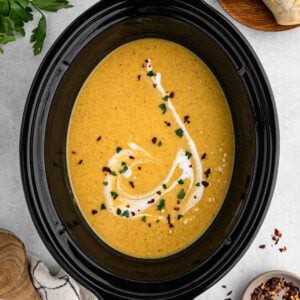
This Butternut Squash Soup is the first thing my family asks for when the weather turns cool — silky rich and deeply flavorful from the roasting step for just $1.99 a serving. Roast the squash blend with the sautéed onion and garlic and finish with butter for the coziest most impressive fall soup you will ever make at home.
If you make it leave a star rating and a comment below — I love hearing whether you served it with garlic bread or a grilled cheese and whether your family went back for a second bowl the way mine always does!

Butternut Squash Soup
Ingredients
- 1 large butternut squash about 3 pounds, halved lengthwise and seeded
- 1½ tablespoons olive oil plus more for drizzling
- ½ cup chopped onion
- 1 teaspoon salt divided
- 2 teaspoons minced garlic
- ⅛ teaspoon ground nutmeg
- Black pepper to taste
- 3 to 4 cups vegetable broth
- 1 to 2 tablespoons butter
- Heavy cream for serving (optional)
See how we calculate recipe costs.
Instructions
- Preheat the oven to 425°F. Line a large baking sheet with parchment paper.
- Place the squash halves cut-side up on the prepared baking sheet. Drizzle with olive oil and brush or rub to coat the flesh evenly. Season with some of the salt and a few grinds of black pepper, then turn the squash cut-side down.
- Roast for 40 to 50 minutes, or until the squash is fork-tender. Let cool for about 10 minutes.
- Meanwhile, heat the olive oil in a Dutch oven or large saucepan over medium heat. Add the onion and the remaining salt. Cook until softened, stirring occasionally.
- Stir in the garlic and cook until fragrant, about 30 seconds. Remove from the heat.
- Scoop the roasted squash from the skins and transfer it to a blender. Add the onion mixture, nutmeg, black pepper, and the vegetable broth.
- Blend until completely smooth. If using a smaller blender, work in batches and avoid filling above the maximum fill line.
- If you’d like a thinner soup, blend in additional broth until it reaches your desired consistency.
- Add the butter and blend briefly until melted and incorporated. Taste and season with additional salt and pepper, if needed.
- Return the soup to the saucepan and warm over medium-low heat, stirring occasionally, until heated through.
- Ladle into bowls and, if desired, garnish with a drizzle of heavy cream and freshly ground black pepper.